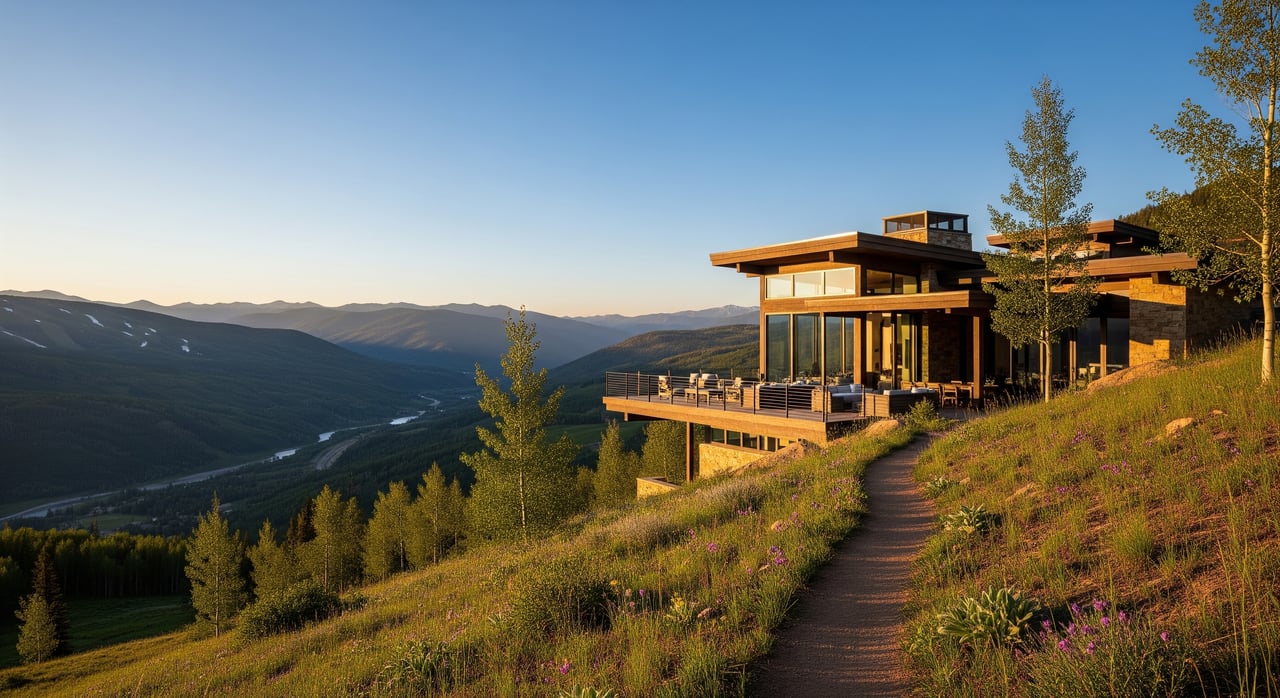
Dreaming of waking up to big-sky mountain views, trailheads close by, and a little more elbow room than the valley floor offers? If you’re eyeing Edwards and want the hillside experience, Wildridge should be on your shortlist. You’ll find panoramic vistas, direct outdoor access, and a quiet neighborhood feel, along with a few mountain-living realities you’ll want to plan for. In this guide, you’ll learn how Wildridge fits different buyer goals, what to check during due diligence, and how to buy with confidence. Let’s dive in.
Why Wildridge stands out
Setting and lifestyle fit
Wildridge sits above Edwards on elevated slopes, overlooking the Eagle River valley. You’re close enough to reach shops, restaurants, and services in minutes, yet high enough to capture wide views and a more private neighborhood feel. The location places you within commuter distance of Vail and Beaver Creek while keeping a strong connection to Edwards as a regional hub.
Who it’s best for
You’ll appreciate Wildridge if you value views, privacy, and trail access over walk-to-everything convenience. Many buyers here are second-home owners or move-up buyers seeking detached homes and outdoor access right out the door. If you love hiking, biking, or simply watching sunsets from a deck, the neighborhood aligns well.
When another area may fit better
If you need level yards, fewer stairs, and easy pedestrian access to restaurants and childcare, the Edwards valley floor or town center options may suit you more. Golf-oriented buyers or those who prefer flatter lots often compare Wildridge with golf course communities in the valley.
Views, sun, and lot orientation
Sun exposure and winter light
In a high-alpine climate, sun exposure matters. South and southwest-facing homes in Wildridge typically receive more direct sun, which can mean brighter winter days and better passive solar benefits. North-facing properties can hold snow and ice longer, so consider how sun paths affect daily life, winter maintenance, and energy use.
Protecting view corridors
Views drive value in Wildridge. Ask how neighborhood setbacks and height limits influence future view preservation and whether adjacent lots could be developed. Review HOA rules and county planning guidelines so you understand what protects your view and what does not.
Access and winter realities
Road grades and snow management
Hillside living brings steeper, winding roads compared to the valley floor. In winter, plan for AWD or 4WD and allow extra travel time during storms. Snow removal responsibilities vary by street and HOA, so verify who manages plowing for the neighborhood roads you’ll use most.
Driveway and vehicle considerations
Even a well-plowed street can meet a steep private driveway. Evaluate the driveway grade, turnaround space, and where snow will be stored after plowing. These details influence day-to-day convenience, guest access, and the type of vehicle that makes sense for winter.
Commute and travel times
Typical drive times from Edwards vary by weather and traffic. Plan on approximately 20 to 30 minutes to Vail, 25 to 35 minutes to Beaver Creek, and 10 to 20 minutes to Eagle County Regional Airport in Gypsum. Denver can range from about 1.5 to 2.25 hours. Public transit connects through Eagle County Transit for valley travel.
Trails and outdoor access
Neighborhood trail network
Wildridge is known for an extensive network of neighborhood and connecting trails. If trail access is a priority, confirm where the nearest trailheads are and whether trails are public or private. Proximity to regional paths, bike routes, and the Eagle River corridor is a frequent selling point for active owners.
Year-round considerations
Trail conditions and access can vary with the seasons. Ask about maintenance, mud-season closures, winter grooming practices, and any HOA or local rules that affect year-round use. If you intend to ride or hike most days, mapping your regular routes from the property is a great way to test lifestyle fit.
Wildfire, vegetation, and insurance
Mitigation and defensible space
Hillside and forest-edge settings require attention to wildfire planning. Review local wildfire risk maps, learn the neighborhood’s requirements for defensible space, and ask about fuel-reduction programs. You’ll want to understand hydrant locations, fire department access, and what the HOA expects from homeowners.
Insurance and risk
Wildfire exposure can impact premiums and coverage availability. Get insurance quotes early in your search so there are no surprises under contract. In addition to wildfire, confirm how wind and hail may affect coverage, and determine whether any debris-flow or floodplain considerations apply to the lot.
Slope, drainage, and construction details
Retaining walls and stability
Hillside properties can include cut-and-fill grading, retaining walls, and engineered drainage. Make slope stability and retaining wall condition part of your due diligence. If you plan significant renovations or new construction, a geotechnical report may be required or strongly recommended so you understand soil characteristics and bearing capacity.
Ice dams, roof loads, and heating
Mountain roofs must handle snow loads and freeze-thaw cycles. During inspection, evaluate the roof’s condition, snow guards, insulation, and ventilation. Review heating system efficiency and whether backup or supplemental systems are in place to manage cold snaps and shoulder seasons comfortably.
Utilities and services
Water, sewer, and septic
Not all hillside properties share the same utility setup. Confirm whether the home is on municipal water and sewer or uses a well and septic system. If private systems are present, review permits, maintenance records, and any water-use restrictions so you know how to manage them long term.
Gas, electric, and internet
Verify the electric provider, whether the home uses natural gas or propane, and the available internet options. Ask about fiber, fixed wireless, or satellite coverage and expected speeds. Connectivity can vary on the hillside, so confirm service at the specific address.
Trash and snow staging
Trash and recycling pickup logistics can differ by street or HOA. Ask where bins are staged, how bulk snow is handled after large storms, and whether there are community or owner responsibilities for road drainage and culverts.
Housing stock and pricing drivers
What you’ll see on the market
Wildridge inventory leans toward detached single-family homes on sloped lots, along with some duplexes. You’ll find many homes built from the 1980s through the 2000s, often with remodels or additions. Compared to valley infill, some lots remain relatively large, which can help with privacy and view corridors.
Value drivers that matter
Prices reflect a mix of view quality, solar orientation, privacy, trail access, construction quality, and ease of access. Homes with premium vistas and favorable sun typically command stronger prices. Steep driveways, limited parking, or high wildfire risk without mitigation can limit appeal.
Seasonality and competition
The Vail Valley sees demand peaks in winter and summer. Second-home buyers are a significant segment, and low inventory is common. Expect competition for well-located view homes, and be prepared for time-on-market and pricing to shift with season and supply.
Due diligence checklist for buyers
Use this quick list to organize your questions and requests:
- HOA and covenants
- Get the full HOA packet: fees, what they cover, reserve studies, meeting minutes, and any special assessments.
- Review architectural rules, rental and short-term rental policies, pet and parking rules, and snow removal responsibilities.
- Confirm who maintains roads, drainage infrastructure, and trails.
- Utilities and services
- Verify water and sewer status or obtain well and septic records, permits, and maintenance history.
- Confirm electric provider, gas or propane service, and internet options and speeds for the specific address.
- Ask about trash and recycling logistics and where snow is staged.
- Inspections and technical evaluations
- Standard inspection plus hillside items: geotechnical or slope stability review, retaining walls, foundation, grading and drainage.
- Roof snow load and snow-guard condition, insulation, ventilation, and HVAC performance.
- Driveway gradient and turnaround safety, and the vehicle needs for winter access.
- Hazards and insurance
- Review wildfire risk maps and confirm neighborhood mitigation rules and defensible space plans.
- Obtain quotes for wildfire, wind, and hail coverage early.
- Check for debris-flow or floodplain mapping that could affect the property.
- Legal, zoning, and rental rules
- Confirm zoning, allowed uses, conservation or trail easements, and any restrictions relevant to your plans.
- If considering STRs, verify county and HOA rules, lodging taxes, permit requirements, and enforcement history.
- Commute and services
- Confirm typical drive times in winter and summer, and check Eagle County Transit options.
- For school planning, confirm assignments through the Eagle County School District and review available resources.
Comparing Edwards neighborhoods
Wildridge vs. valley floor
Choose Wildridge if you value hillside views, privacy, and direct trail access. Choose the valley floor if you want walkability to shops and restaurants, easier winter access, and flatter yards. Both offer access to the same regional amenities and services in Edwards.
Wildridge vs. golf course communities
Golf-focused neighborhoods and places like EagleVail offer flatter lots and a different amenity set, including golf and community centers. Wildridge prioritizes mountain vistas and trails. Your lifestyle preferences will point you to the best fit.
Wildridge vs. newer master-planned areas
Newer subdivisions often provide predictable lot grades and community amenities. Wildridge offers a more varied hillside setting, larger-feeling lots in places, and elevated views. If orientation, privacy, and trail proximity rank high, Wildridge stays competitive.
Resale considerations
Features that help resale
Unobstructed or well-preserved views, favorable sun exposure, documented maintenance of driveways and retaining walls, and clear snow removal responsibilities all help. Up-to-date wildfire mitigation and strong exterior photography showing sun paths and access conditions are valuable when it is time to sell.
Potential tradeoffs to weigh
Steeper driveways, limited parking, or complicated winter access can narrow the buyer pool. Higher wildfire exposure without mitigation or unclear utility setups can also affect pricing and time on market. Know these factors up front so you can address them during ownership.
Next steps
If the idea of a quiet perch above Edwards with sweeping views and trailheads nearby resonates with you, Wildridge deserves a closer look. The right home will balance orientation, access, and construction quality to match your lifestyle. When you’re ready to tour, review HOA documents, and line up the right inspections, our team can help you move decisively and with confidence.
Schedule a private, concierge consultation with the Vail Valley Team to explore Wildridge opportunities and plan your next move.
FAQs
How long are drives from Wildridge to Vail and Denver?
- Plan on about 20 to 30 minutes to Vail, 25 to 35 minutes to Beaver Creek, 10 to 20 minutes to Eagle County Regional Airport, and roughly 1.5 to 2.25 hours to Denver depending on weather and traffic.
Are Wildridge roads plowed in winter?
- Snow removal responsibilities vary by street and HOA, so confirm in the HOA documents who maintains neighborhood roads and what level of service to expect.
What should I know about wildfire risk and insurance in Wildridge?
- Hillside settings carry higher wildfire exposure, so review risk maps, verify defensible space rules, and get insurance quotes early to confirm availability and premiums.
Is trail access truly convenient from most Wildridge homes?
- Wildridge is known for an internal trail network and connections to valley systems; verify the nearest trailheads and whether trails are public or private for year-round access planning.
Can I rent my Wildridge home short term?
- Short-term rental rules depend on county regulations and HOA policies, so confirm permissibility, permit requirements, lodging taxes, and enforcement history before you buy.
What about schools and services if I live in Wildridge full time?
- Edwards is in Eagle County; confirm school assignments with the Eagle County School District, and note that valley-floor access to childcare and services is generally easier than from hillside lots.