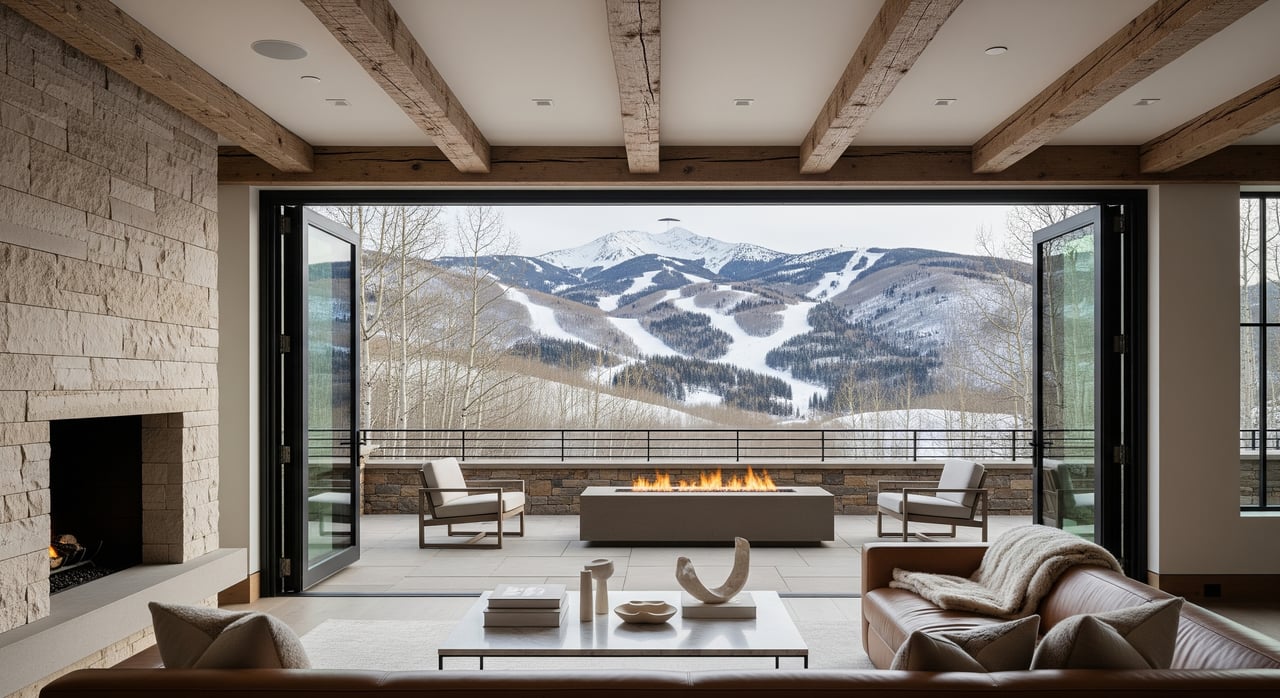
You come to Lionshead Village for the gondola, the energy, and the ease of stepping from your condo to the mountain in minutes. Owning here can be both effortless and rewarding if you understand how the village works, from HOAs and short‑term rentals to parking and winter maintenance. In this guide, you’ll learn the lifestyle highlights, the operational basics, and where to verify rules that matter to owners. Let’s dive in.
Why Lionshead works for owners
Lionshead is one of Vail’s primary base areas, built for walkability and fast mountain access. You can grab coffee, stroll through shops, and be on the lift within minutes. Most residences are in multi‑unit buildings, which centralize services like parking and maintenance. Peak seasons bring higher foot traffic, which is great for rental demand and amenities, while quieter shoulder seasons offer a more relaxed pace.
Living at altitude
At roughly 8,000 to 8,200 feet, altitude affects building systems and maintenance cycles. Freeze and thaw patterns are harder on roofs, windows, and plumbing, so well‑funded reserves and proactive upkeep matter. Many buildings use central boilers, snowmelt systems, and specialized materials to handle winter conditions. Plan on scheduled servicing and seasonal checks to keep everything running smoothly.
Ownership models and HOAs
Most Lionshead properties are condominium or fractional interests governed by an HOA. You’ll likely carry an HO‑6 policy for your interior and personal property, while the association carries a master policy for common elements. Always verify master policy limits and deductibles so your HO‑6 coverage dovetails correctly.
Before you buy or as a new owner, review the HOA’s financial and governance health:
- Budget, reserve study, and last 3–5 years of financials and meeting minutes.
- Planned capital projects, special assessments history, and vendor contracts for snow, elevator, HVAC, and building envelope.
- Rules on exterior changes, parking allocation, guest registration, and rental policies.
For best practices on HOA governance and reserves, the Community Associations Institute offers helpful guidance you can use to frame your review. Explore relevant resources on the Community Associations Institute site at caionline.org.
Short‑term rentals and licensing
Short‑term rentals are common in Lionshead, but you need to confirm both municipal and association requirements before listing. The Town of Vail sets licensing and tax obligations for rentals within town limits. Start with the official municipal information at the Town of Vail website to review current licensing steps, taxes, and enforcement details. If county rules apply to your situation, verify them on the Eagle County site.
Your HOA may allow, limit, or prohibit short‑term rentals, so read the declaration and current rental policies closely. Expect to collect and remit local lodging and sales taxes, and to follow any onsite guest registration and parking rules. Noncompliance can lead to fines or license issues, so it pays to set up processes correctly from the start.
Taxes and property assessments
Property taxes are assessed at the county level, and rates and valuations change over time. For parcel lookups and valuation questions, use the Eagle County Assessor. If you rent, you’re typically responsible for collecting and remitting local sales and lodging taxes. Confirm current rates and filing schedules through the Town of Vail’s official site and Eagle County.
Getting around and parking
Vail runs a free local bus system that connects Lionshead, Vail Village, West Vail, and nearby areas. Check routes, service updates, and seasonal schedules on the Town of Vail website. Many buildings include managed garage parking, while municipal parking garages and seasonal programs supplement owner and guest needs.
On‑street overnight parking rules and winter restrictions are strictly enforced. Before hosting guests, share clear instructions on where to park and how to register vehicles when required. Your HOA documents and building manager will outline your specific allocations and guest policies.
Year‑round lifestyle highlights
Lionshead’s biggest draw is instant access to Vail Mountain. In winter, you can move from your residence to the gondola with minimal gear hauling. In summer, you have hiking, mountain biking, and lift‑served activities at your doorstep. For mountain operations, lift access, and seasonal offerings, review current details on Vail Mountain’s official site.
Beyond the mountain, you’re close to dining, retail, and après spots. Seasonal events add energy to the calendar, with even more options a short walk or quick shuttle ride away in Vail Village. The compact, pedestrian‑friendly layout keeps your car parked and your experience convenient.
Operations and maintenance basics
Mountain properties reward owners who plan ahead. In Lionshead, most of the heavy lifting is handled by your building and HOA, but knowing the essentials keeps your unit in top shape.
Winterization and systems
- Heating: Forced air, hydronic, or electric systems need annual servicing and timely replacement schedules. Ask your manager for the building’s maintenance calendar.
- Hot water: Some buildings use central boilers. Inspect mixing valves, temperature settings, and shut‑off access.
- Snowmelt: Walkways and entries may have hydronic or electric snowmelt. These systems require specialized maintenance and seasonal testing.
Snow and ice management
Snow and ice are a real cost center. Roof clearing, gutter health, and ice dam prevention protect your unit and neighbors from leaks and icicle hazards. Confirm who handles emergency response for heavy snow, roof issues, and slip prevention in common areas.
Building envelope and moisture
Sun, snow load, and repetitive freeze cycles accelerate wear on roofs, windows, and siding. Moisture intrusion is a common insurance claim in mountain condos. Well‑funded reserves, qualified vendors, and a proactive manager reduce the risk and spread costs over time.
Utilities and waste
Water, sewer, and electric services are municipal or regional. In winter, pipe protection and smart thermostat settings help prevent freeze damage. Trash and recycling are typically managed by the HOA, often with compactor schedules that tighten during peak weeks.
Insurance and risk planning
As a condo owner, you typically carry an HO‑6 policy for your interior finishes and personal property. If you rent, talk with your agent about liability coverage tailored for short‑term rentals. Match your deductibles and coverage to the association’s master policy limits and types to avoid gaps.
Owners sometimes ask about natural hazards. While base‑area siting and municipal mitigation reduce avalanche exposure in the village, regional conditions vary. You can monitor conditions through the Colorado Avalanche Information Center. For other risk checks, use the Colorado Wildfire Risk Assessment Portal and verify any flood zone considerations through the FEMA Flood Map Service Center. Your insurer will weigh these factors when underwriting, so keep documentation handy.
Financial realism for investors
Lionshead values and rental rates track with resort visitation and broader Colorado mountain market trends. If you are underwriting a purchase, be conservative and review real HOA budgets, management fees, taxes, insurance, and possible capital assessments. Rental income can offset costs, but timing, seasonality, and building policy shape outcomes. Work from current comps and association documents, not rules of thumb.
Owner startup checklist
Use this quick list to stay organized:
- Documents: HOA declaration, rules, budget, reserve study, last 3–5 years of minutes, insurance certificates, parking allocations, and rental policies.
- STR readiness: Confirm Town of Vail licensing, Eagle County requirements if applicable, and tax registration. Align guest instructions with building policies.
- Insurance: Tailor an HO‑6 to the building’s master policy. Add short‑term rental liability if you will rent.
- Winter prep: Program smart thermostats, confirm freeze protection, and post emergency shut‑off instructions. Keep vendor contacts accessible to your manager and cleaners.
- Guest basics: Provide clear parking directions, shuttle info, trash rules, and quiet‑hour expectations.
- Engagement: Attend HOA meetings and review board communications. Decisions on capital projects and rental rules affect your bottom line.
How we help
You deserve a straightforward, concierge experience as you buy, sell, or optimize a Lionshead property. Our boutique practice pairs hyperlocal knowledge with global reach, delivering end‑to‑end guidance on valuations, listings, staging and photography, escrow coordination, and trusted vendor referrals. We specialize in resort products, including fractional ownership and short‑term rental‑capable condos, so you can move with clarity and confidence. When you are ready to talk strategy, the Vail Valley Team is here to help.
FAQs
What short‑term rental license do I need in Lionshead?
- Start with the Town of Vail’s official licensing information at the municipal website, then confirm your HOA’s rental policy before listing.
How do I evaluate an HOA’s reserves in a Lionshead condo?
- Request the budget, reserve study, recent minutes, and special assessments history, and review best‑practice guidance from the Community Associations Institute.
Where do owners and guests park in Lionshead?
- Check your building’s parking allocations and guest registration rules, and verify garage and seasonal options via the Town of Vail site.
What winterization steps protect my condo at altitude?
- Service heating and snowmelt systems, set freeze‑safe thermostat schedules, confirm shut‑off access, and share emergency contacts with your manager.
What insurance should I carry if I rent short‑term?
- Pair an HO‑6 policy with coverage tailored for short‑term rental liability, aligned to your association’s master policy limits and deductibles.
How can I check wildfire, avalanche, or flood considerations?
- Review the Colorado Wildfire Risk portal, the CAIC, and the FEMA Flood Map Service Center for property‑specific context.