If you want a Vail home that works in every season, West Vail deserves a close look. Many buyers love the idea of being in Vail full time, but they also want practical daily living, easier access to shopping and transit, and more space than they may find closer to the resort core. That is where West Vail stands out. In this guide, you will learn why single-family homes in West Vail appeal to year-round residents, what the housing mix looks like, and how to think about value, location, and lifestyle before you buy. Let’s dive in.
Why West Vail Fits Year-Round Living
West Vail is one of Vail’s official neighborhoods, and the Town notes that residents benefit from nearby parks, trails, recreation paths, streams, and access to the free bus system in most areas. That combination matters if you plan to live here beyond ski season. It supports day-to-day convenience without giving up the mountain setting many buyers want.
West Vail also has a long-standing reputation as a more resident-oriented part of town. According to the Town of Vail’s neighborhood overview and planning materials, the area has historically had a higher share of resident-occupied housing than the town overall, along with lower average home prices than many other parts of Vail. You can explore that context on the Town’s West Vail neighborhood page.
For many full-time buyers, that translates into a simple advantage: West Vail often offers a more practical living pattern. You may have easier access to everyday services while still staying connected to Vail’s broader recreation and transportation network.
West Vail vs Resort-Core Areas
If you are comparing West Vail with Vail Village, Lionshead, or Cascade, the biggest difference is how each area is oriented. The Town’s land-use planning documents describe the resort-core areas as more visitor-focused, while West Vail’s community-commercial area is primarily oriented to permanent residents and long-term visitors.
In real life, that often means more day-to-day convenience and usually more space for the money in West Vail, but less immediate walk-to-lift and walk-to-nightlife access than you would find in the resort core. For a buyer seeking a primary home or longer seasonal use, that tradeoff can make a lot of sense.
Cascade is often part of the same conversation because it sits along the same broader corridor. Still, for year-round living, West Vail tends to stand out when your priorities include routine errands, neighborhood functionality, and a more resident-centered setting.
Understanding West Vail’s Subareas
West Vail is one official neighborhood, but many locals think about it in practical subareas: West Vail North and West Vail South. The Town uses this kind of division in some service maps and schedules, even though it remains one neighborhood officially.
That distinction can be useful when you start touring homes. It helps you compare street patterns, access points, proximity to the commercial area, and how close a property feels to bus stops, recreation paths, or nearby trailheads.
Rather than treating the subareas as separate markets, it is usually better to think of them as different pockets within the same year-round living environment. A property’s specific location within West Vail often affects convenience just as much as its size or finish level.
What Single-Family Housing Looks Like
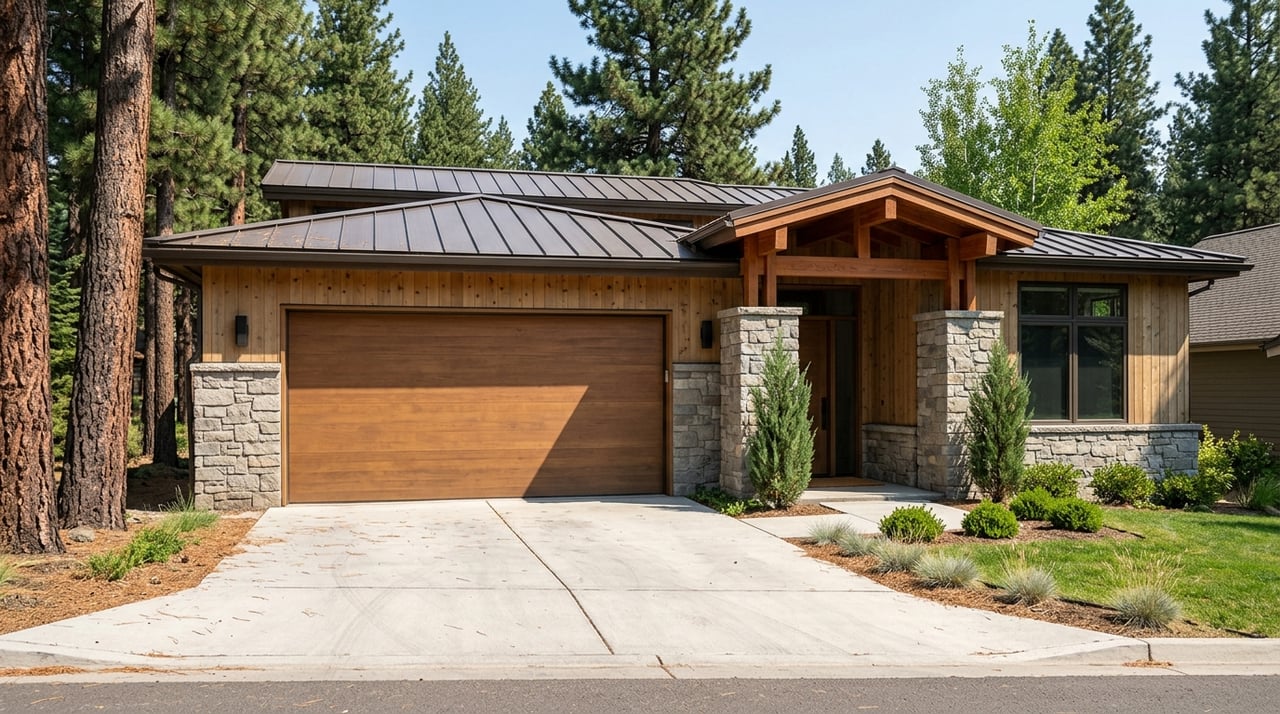
West Vail has an eclectic housing mix, and that is part of its appeal. Many homes in the area predate the Town’s 1986 incorporation, and the West Vail Master Plan and zoning materials explain that some older homes do not conform to current rules for unit count, lot size, or lot coverage.
Most residential blocks are zoned Two-Family Primary/Secondary Residential. In practical terms, that means single-family homes or duplexes may be allowed depending on lot size. The zoning framework also sets limits such as 20% lot coverage, a 15,000-square-foot minimum lot size, and two units only on lots larger than 14,000 square feet.
For you as a buyer, this matters for two reasons. First, it helps explain why West Vail feels varied rather than uniform. Second, it can limit how aggressively properties are redeveloped, which may help preserve a lower-density feel on many streets.
Lot Sizes and Price Expectations
If you are specifically searching for a detached home, it helps to have a realistic sense of the current range. Based on the listing examples in the research, detached West Vail homes span a wide spectrum, from roughly the mid-$3 million range for some single-family opportunities to $10 million-plus at the luxury end.
Lot sizes in the sample often cluster around roughly 0.22 to 0.36 acres, with some larger outliers around 0.72 to 0.73 acres. That tells you two things. First, there is meaningful variation in how much outdoor space and separation a home may offer. Second, larger lots exist, but they are not the norm.
Because this is a small sample of active listings, it should be treated as a working snapshot rather than a formal market median. Still, it gives useful perspective if you are deciding whether West Vail aligns with your budget and long-term goals.
Why Convenience Is a Real Advantage
One of the strongest reasons buyers consider West Vail for full-time use is convenience. The Town highlights local housing and community developments in the corridor that are within walking distance of shopping, grocery options, restaurants, and retailers, reinforcing how this area is designed around everyday access. You can see those examples on the Town’s community housing developments page.
That convenience can shape your daily experience more than many buyers expect. If you are living in Vail year-round, easy access to errands, dining, and transportation often matters just as much as ski-season proximity.
For homeowners who split time between Vail and another residence, this setup can also simplify shorter stays. You can arrive, settle in quickly, and enjoy the area without needing every trip to revolve around the resort core.
Bus Access Supports Daily Life
Transit is another practical strength. The Town’s free winter bus service includes West Vail Red, Green, and Express routes, with stops serving the broader corridor, including West Vail Mall, Chamonix, Intermountain, Meadow Creek, Timber Ridge, and connections toward Lionshead and the Vail Transportation Center. You can review current route details on the Town’s winter bus schedule.
For year-round buyers, bus access adds flexibility. You may not need to drive for every outing, and guests or family members can move around more easily without depending on one vehicle.
This is especially useful if your goal is a home that functions well in both peak ski season and quieter shoulder months. Reliable access across the corridor can make the property more comfortable and more versatile over time.
Trails and Recreation Add Four-Season Appeal
West Vail’s appeal is not only about housing. It is also about how easily you can plug into outdoor recreation throughout the year. Vail’s recreation-path system includes more than 15 miles of paved multi-use paths, and the North Recreation Path and Gore Valley Trail system connect residential areas with the broader valley and ski-base areas.
Nearby options also include the North Trail and Son of Middle Creek Trail. For many buyers, that means a detached home in West Vail can support a routine that includes walking, biking, and trail access without requiring a major drive.
That four-season usability is a big part of the neighborhood’s value. A home that feels good in winter but also supports summer and shoulder-season living tends to work better for owners planning to spend meaningful time here each year.
What Buyers Should Evaluate Closely
If you are considering a single-family home in West Vail for year-round living, focus on how the property supports your daily routine, not just its finish level or views.
Here are a few smart points to compare:
- Transit access: How close is the home to a practical bus stop?
- Commercial convenience: How quickly can you reach groceries, restaurants, and other essentials?
- Lot usability: Is the outdoor space functional for how you live?
- Street setting: Does the home feel tucked away, central, or more corridor-adjacent?
- Trail connectivity: Can you easily reach recreation paths or nearby trails?
- Home age and configuration: Does the property reflect older West Vail character, or has it been substantially updated?
Detached homes in West Vail are not one-size-fits-all. The right fit often comes down to matching the micro-location and layout to your version of mountain living.
Why West Vail Stays on Buyers’ Radar
For many buyers, West Vail hits a valuable middle ground. It offers a Vail address and strong access to recreation, while often delivering a more resident-oriented environment than the resort core. That can be especially appealing if you want a home that feels livable in January, July, and every month between.
It also appeals to buyers who want to think long term. Whether you plan to live in Vail full time, spend extended seasons here, or simply want a property that feels practical beyond vacation use, West Vail offers a compelling case.
If you are weighing where to focus your search, local context matters. Street by street, the feel of West Vail can shift, and understanding those differences is where experienced guidance becomes especially valuable.
If you are exploring single-family homes in West Vail or comparing the area with other Vail neighborhoods, the Vail Valley Team can help you evaluate the options with a private, concierge approach tailored to how you want to live.
FAQs
What makes West Vail attractive for year-round living?
- West Vail offers a more resident-oriented setting, access to parks, trails, recreation paths, shopping, and broad coverage by Vail’s free bus system, which supports daily living in all seasons.
How does West Vail compare with Vail Village or Lionshead?
- West Vail usually offers more everyday convenience and often more space for the money, while Vail Village and Lionshead are generally more immediate for walk-to-lift and resort-core access.
Are single-family homes common in West Vail?
- Yes, but West Vail has a mixed housing stock that includes both detached homes and duplex properties, shaped in part by older development patterns and current zoning rules.
What lot sizes are typical for West Vail homes?
- In the research sample, many properties were around 0.22 to 0.36 acres, with some larger lots closer to 0.72 to 0.73 acres.
Does West Vail have good transit access for full-time residents?
- Yes, the Town’s free winter bus network serves the West Vail corridor with multiple routes and stops that connect residents to key parts of Vail.
Are trails and recreation paths easy to access from West Vail?
- Yes, West Vail connects well to Vail’s paved recreation-path system and is near hiking and biking routes such as the North Trail and Son of Middle Creek Trail.