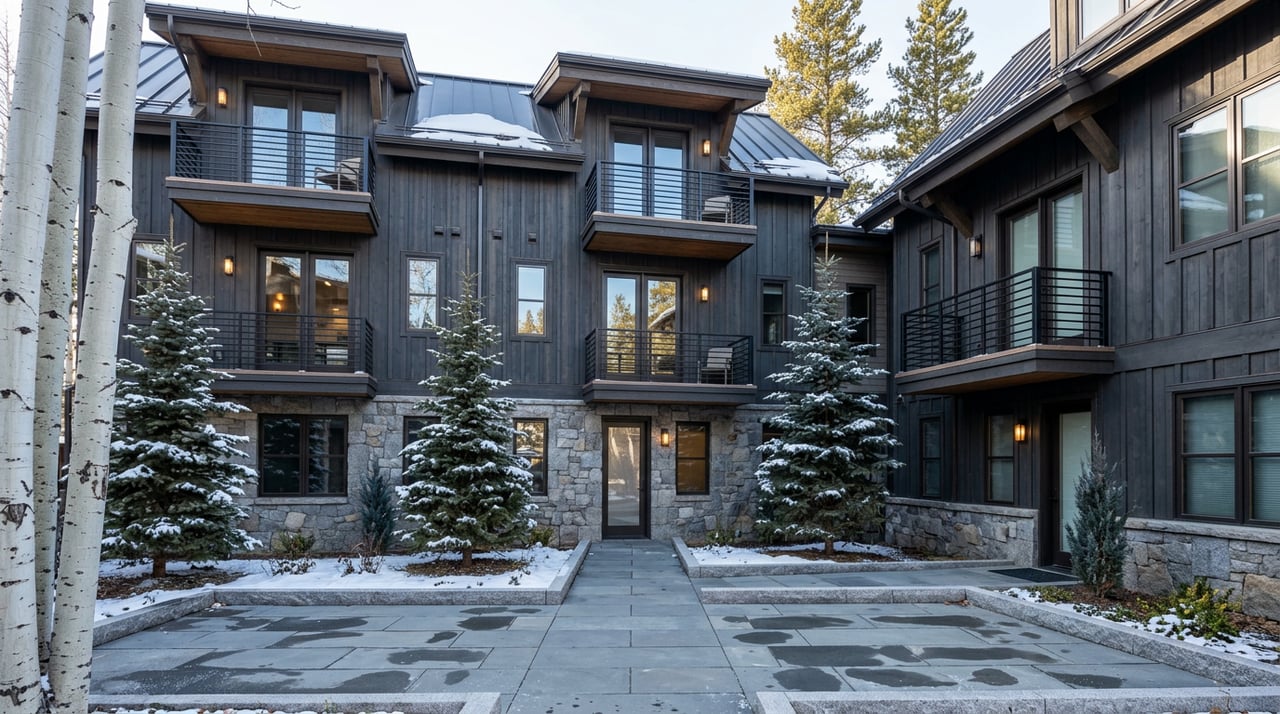
Dreaming of a lock‑and‑leave mountain base with river views, walkable dining, and zero snow‑shoveling? If you are downsizing or buying a second home, Edwards offers luxury condos and townhomes that give you space, convenience, and year‑round access to the Vail Valley. In this guide, you will learn where to focus your search, how pricing breaks down by area, what HOA dues usually cover, and the key rules to know if you plan to rent. Let’s dive in.
Market snapshot for 2026 buyers
Edwards has become a high‑value micro‑market with limited luxury attached inventory. According to Realtor.com figures through early 2026, Edwards’ reported median listing price hovered around 3.4 million dollars, with price per square foot reflecting a strong luxury skew. In small resort communities, a few trophy listings can swing medians, so always verify current comps before you set a budget.
What you can expect when planning attached‑home budgets in Edwards:
- Entry to mid market: roughly the mid 500s to low 900s for many Brett Ranch and older Riverwalk one‑ and two‑bed units in non‑resort buildings.
- Middle to aspirational: about 900,000 to 2 million for larger Riverwalk residences and upgraded Homestead‑area townhomes.
- Luxury: 2 million and up for premier Riverwalk buildings and townhomes with private garages and river or valley views. Recent multi‑million‑dollar Riverwalk closings support this band, including a two‑level Diamond‑building residence that closed at about 2.2 million in late winter 2025.
Tip: Ask your agent or title officer for recent Edwards comps and a carry‑cost breakdown that includes HOA dues, property taxes, and insurance. Market snapshots change quickly in the valley.
Neighborhood map: where to look first
Riverwalk
Riverwalk is the signature downtown riverfront cluster for luxury condos and townhomes in Edwards. Buildings like Emerald, Diamond, Crystal, Garnet, Opal, and Topaz sit along the Eagle River with walkable access to dining, shops, and summer events. Units range from compact one‑bed flats to expansive multilevel residences with heated garage parking and on‑site management. Luxury buyers often target this area for lock‑and‑leave convenience, elevators, and high‑end finishes.
- Typical pricing: from the high six figures for smaller residences to 2 million and up for larger, river‑oriented homes with premium views and amenities.
- Lifestyle: downtown convenience, riverside paths, and low maintenance. Expect a true park‑once setting.
Homestead and Lower Homestead
Homestead blends single‑family, townhomes, and medium‑density condos with community recreation and trail access. Attached homes here often deliver more square footage than downtown buildings while keeping exterior chores minimal.
- Typical pricing: many upgraded townhomes and larger condos trade from the mid six figures up through the upper seven figures depending on size and finishes.
- Lifestyle: recreation center access, trail networks, and a quieter residential feel near central Edwards.
Singletree and the Sonnenalp area
Primarily a single‑family environment with low‑density townhome pockets, the Singletree and Sonnenalp vicinity attracts buyers who value proximity to golf and club life. Attached offerings are limited and vary by cluster, so availability can be sporadic.
- Typical pricing: attached product generally starts in the upper six figures and climbs with size, garage capacity, and views.
- Lifestyle: golf‑adjacent living, open spaces, and quick access to Edwards and Avon.
Brett Ranch and Miller Ranch
These neighborhoods include a large share of workforce‑oriented and deed‑restricted homes. Villas at Brett Ranch, for example, offer lower‑maintenance living with pool and hot tub amenities that are popular for long‑term rentals and full‑time residents. While not always positioned as luxury, they deliver strong value for buyers who want Edwards’ location with practical amenities.
- Typical pricing: many one‑ to two‑bed residences list from the mid 500s to the low 900s depending on size and updates.
- Notable fee: Brett Ranch has a recorded 1 percent transfer fee designed to preserve workforce housing. Confirm applicability and exemptions with title and the HOA. You can review a summary of the program on the Brett Ranch page at The Valley Home Store.
Cordillera area alternatives
Although Cordillera is primarily single‑family and estate properties, there are select attached or low‑maintenance alternatives near private club amenities. If you want full resort services and a golf membership, this can be a compelling adjacent option, though availability is limited.
What amenities and dues usually include
Edwards luxury condos and townhomes often bundle features that simplify seasonal living. Common offerings include heated or covered parking, private garages in townhome formats, elevators, fitness rooms, outdoor pools and hot tubs, riverside patios, gear storage, and in‑floor radiant heat in higher‑end units. Associations then layer in building services that reduce owner time and hassle.
Typical HOA inclusions in Edwards mirror national best practices: master insurance on the building exterior, common‑area maintenance, snow removal, landscaping, property management, trash, and some common utilities. Higher‑service buildings may add front‑desk staffing and concierge support. For an overview of what HOAs often cover and why dues vary, see the Community Associations Institute’s guidance on common inclusions and budgeting considerations.
HOA reality check
- Sample fee ranges: recent listing examples in Riverwalk show monthly dues often in the mid 500s to 800s for typical one‑ to two‑bed condos, with larger riverfront units higher. Villas at Brett Ranch commonly range from roughly 500 to 900 per month. Inclusions vary, and many Edwards associations include heat and water.
- Why dues change: board budgets, insurance pricing, reserve funding, and capital projects. Mountain markets often see higher master policy deductibles.
- Five smart questions to ask in escrow:
- Are heat and water included in dues, and what utilities are separate?
- What is the building’s master insurance deductible, and does my HO‑6 need special coverage to match it?
- What does the most recent reserve study say about upcoming projects like roofs, elevators, or parking decks?
- Have there been special assessments in the last five years, and are any planned?
- What are the current rental and guest policies, including lease length minimums and fines?
Important: a listing’s HOA fee is only a starting point. Ask for the resale packet and review the association’s budget, reserves, insurance summary, and rules before you waive contingencies. CAI’s guidance on reserve planning and budgeting is a helpful frame for what to look for in those documents.
Short‑term rental and leasing basics
As of May 13, 2025, Eagle County chose not to adopt a county‑wide short‑term rental ordinance, leaving regulation to towns, metro districts, and individual HOAs. That means the ability to rent a condo or townhome short‑term in unincorporated Edwards depends on the association’s CC&Rs and any applicable district or municipal overlays. You can read the county decision in the Vail Daily’s report.
Nearby towns like Vail, Avon, and Eagle run their own licensing and tax programs. If your parcel falls under a town or district requirement, you will need to comply. For example rules and registrations, review the Vail short‑term rental overview as a reference point, then confirm the exact rules for the unit you are considering.
If you plan to rent short‑term, take these steps:
- Get the HOA’s written rental policy and any STR addenda. Confirm whether rentals under 30 nights are allowed and if a local 24‑7 contact is required. Riverwalk rules, for instance, put responsibility on owners for tenant conduct and fines. You can see a sample in the Riverwalk Master Association rules.
- Verify business licensing and lodging tax collection for the correct jurisdiction. Ask who collects and remits taxes if you use a property manager or platform.
- Check whether your building has caps, waitlists, or registration requirements for rentals.
Attached vs single‑family maintenance
One appeal of Edwards condos and townhomes is reduced exterior maintenance compared with single‑family homes.
- Condominiums: you typically maintain the interior, while the association maintains the building exterior, roof, grounds, and common systems. The master policy usually covers the building shell. You carry an HO‑6 policy for interior improvements, contents, and any association deductible obligations. Review CAI’s primer on coverage and responsibilities.
- Townhomes: responsibilities vary. Some are structured like condos with exterior care handled by the association, while fee‑simple townhomes may put more exterior work on you. The declaration defines the boundary.
- Single‑family: you handle everything. That means more time managing snow, landscaping, and roof upkeep. For many downsizers and second‑home owners, off‑loading those chores to an HOA is the deciding factor.
Your due‑diligence checklist
Request these documents early in your contingency period and read them closely:
- Resale certificate and full HOA resale packet. This includes the current budget, dues history, insurance summary, and assessments. Colorado’s community association rules standardize much of what must be disclosed.
- Current operating budget and most recent year‑end financials. Check whether dues support both operations and reserves. CAI’s budgeting resources can guide what to look for in line items and reserve contributions.
- The latest reserve study and reserve policy. Ask about timing and scope of planned projects, plus any association loans. Review best practices on reserve planning with this reserve study overview.
- Meeting minutes from the last 12 to 24 months. Scan for litigation discussions, dues increases, rental policy changes, and large projects.
- Governing documents. Read the Declaration, Bylaws, and Rules for rental caps, guest rules, parking, pets, and storage. Riverwalk publishes a detailed rules set you can use as an example of what to expect in an amenity‑rich association. Here is the Riverwalk Master Association rules document.
- Insurance declarations for the association. Note the master policy deductible and any requirements for your HO‑6. CAI’s coverage explainer can help you ask the right questions.
- Title company confirmation of all transfer or civic assessments and any special districts. For instance, Brett Ranch shows a 1 percent transfer fee. See the summary at The Valley Home Store. Riverwalk’s governing documents also describe a civic assessment. Confirm fee applicability and dollar amounts for your closing statement.
- If renting is part of your plan, collect all required STR registrations, business licenses, and tax rules that apply to your address. Remember, Eagle County left STR regulation to districts and associations in 2025, as covered by the Vail Daily.
Next steps
- Decide which lifestyle fits best. Choose between downtown Riverwalk convenience, club‑oriented living near golf, or a quieter Homestead base. Then set a price band that matches space and amenity needs.
- Insist on the HOA resale packet and the latest reserve study during your contingency period. Read the rules for rentals, guest policies, parking, and pets before you waive.
- Confirm all transfer and civic assessments with the title company. Ask for line‑item estimates on your preliminary closing statement.
- If you plan short‑term rentals, confirm the HOA policy, any town or district licensing, and how lodging tax is collected and remitted.
When you are ready to evaluate real listings and compare carry costs by building, schedule a private, concierge consultation with the Vail Valley Team. We will help you target the right buildings, read the fine print, and secure a seamless lock‑and‑leave home in Edwards.
FAQs
What is the typical price range for Edwards condos and townhomes in 2026?
- Many entry to mid‑market residences list in the mid 500s to low 900s, mid to aspirational options often run 900,000 to 2 million, and luxury riverfront or large townhomes can exceed 2 million.
Which Edwards area is best for a walkable, low‑maintenance lifestyle?
- Riverwalk is the premier downtown cluster with shops, dining, events, and riverside paths, plus amenities like elevators, covered parking, and on‑site management.
What do HOA dues usually cover in Edwards buildings?
- Common inclusions are master insurance, snow removal, landscaping, common utilities, property management, and amenities. Higher‑service buildings may add front desk or concierge support.
Are short‑term rentals allowed in Edwards condos and townhomes?
- It depends on the HOA and any town or district rules. Eagle County left STR regulation to local entities in May 2025, so you must confirm both association policies and licensing requirements.
How do condo and townhome maintenance responsibilities differ from single‑family homes?
- Condo owners typically maintain interiors while the HOA maintains exteriors and common areas. Townhome responsibilities vary by declaration. Single‑family owners handle all exterior and interior upkeep.